October 21, 2025
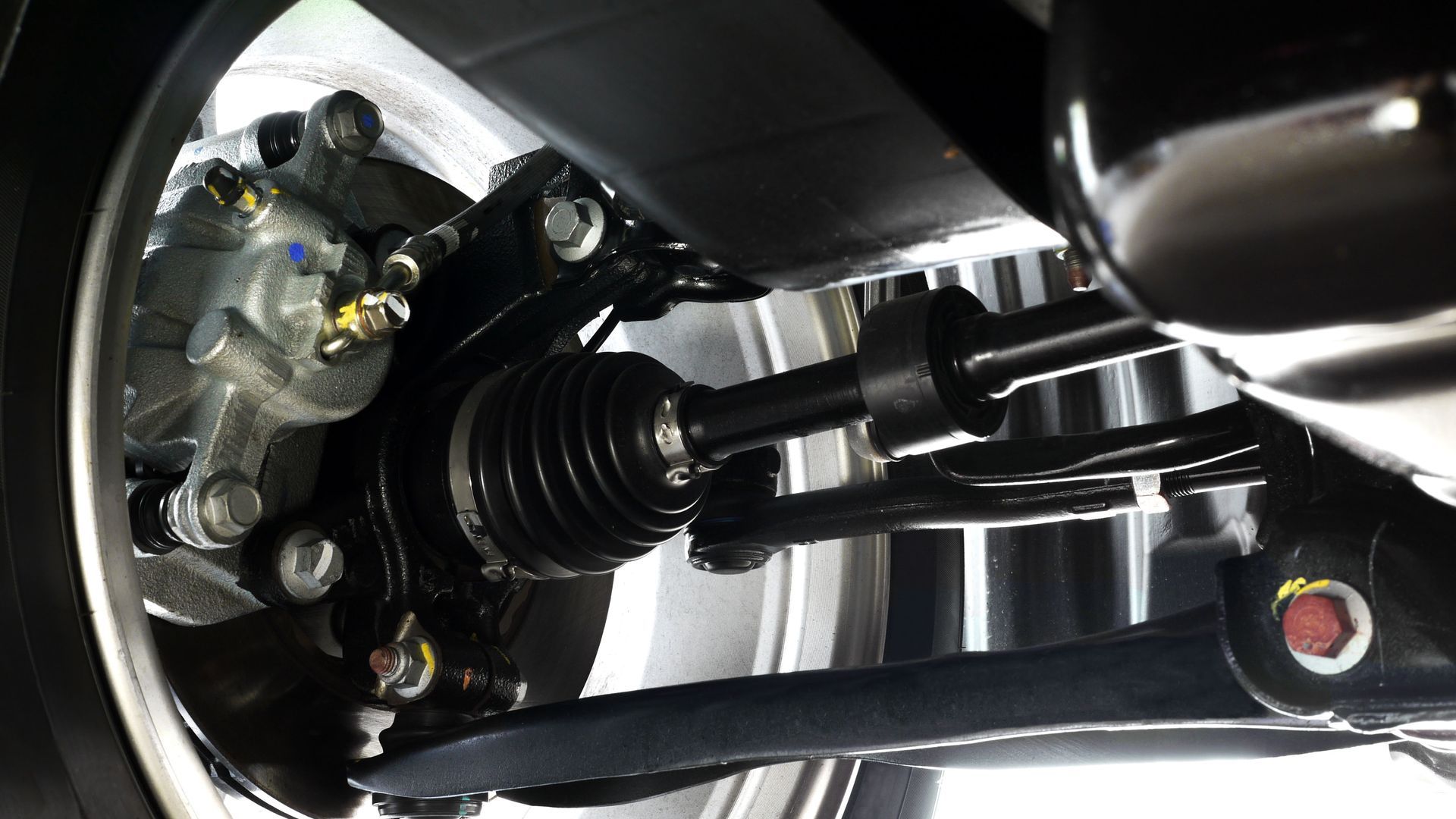
In this article, we will explore essential service repair tips tailored for various axle sizes. Understanding these differences can prevent costly repairs and ensure the longevity of your vehicle's axles. Axles play a crucial role in vehicle safety and performance, transmitting power from the engine to the wheels. Whether dealing with small, medium, or heavy-duty axles, proper maintenance can significantly extend their lifespan. Let's delve into how different axle sizes can influence your vehicle's performance and what repair strategies you should consider. Regular axle service repair can help maintain smooth performance and prevent major breakdowns.
Understanding Axle Sizes
Identifying Different Axle Types
Axles can vary significantly based on the vehicle type and intended use. Passenger vehicles often use different axles compared to commercial vehicles due to load handling requirements. Identifying the correct axle type is crucial for effective maintenance and repair planning. Additionally, specific vehicles, like 4x4s, require specialized axles to handle unique driving conditions. A thorough understanding of axle types helps in selecting appropriate repair techniques and components. Scheduling consistent axle service repair ensures that each type functions as intended across various driving conditions.
Measuring Axle Dimensions
Measuring axle dimensions is a critical step in maintenance. Precise measurements ensure that all components fit correctly, which is vital for vehicle safety. Width, diameter, and length are crucial dimensions that need to be accurately identified. Incorrect measurements can lead to poor performance and increased wear on vehicle parts. Specialized tools can assist in taking these measurements more accurately, facilitating better repairs. Including an axle service repair check during measurement helps verify that all parts are aligned and properly balanced.
Common Materials Used in Axle Manufacturing
Axles are typically made from high-strength steel due to its durability and resistance to wear. In some cases, alternative materials such as alloys are used for specialized requirements. Knowing the material composition of your axle can influence the choice of lubricants and repair methods. Steel axles tend to be more forgiving to heavy loads but may require specific care to avoid corrosion. Proper maintenance extends the lifespan of axles, particularly those made from unique materials. A qualified technician specializing in axle service repair can recommend the best materials and treatments to preserve axle strength.
How Axle Size Affects Vehicle Performance
Axle size can significantly influence vehicle performance, particularly in towing and load capacity. Larger axles can handle heavier loads but may increase weight and reduce fuel efficiency. Smaller axles improve fuel economy but might not support as much weight. According to CarPro, when towing heavy loads, a 3:73 or 4:10 rear axle ratio is advisable for optimal performance. Understanding how axle size affects performance helps in making informed decisions about vehicle use and maintenance. Incorporating axle service repair as part of your maintenance routine ensures consistent power transmission and performance.
The Role of Axles in Vehicle Stability
Axles are integral to vehicle stability, ensuring smooth power transmission and balanced weight distribution. Their size and condition can influence traction, handling, and overall safety. Well-maintained axles reduce the risk of vehicle wobble and improve the driving experience. Any misalignment or damage to axles can significantly compromise vehicle stability. Regular inspection helps detect potential issues early, preventing safety hazards on the road. Routine axle service repair appointments can identify misalignment issues before they become major problems.
Axle Maintenance for Small Vehicles
Choosing the Right Grease for Small Axles
Grease selection is crucial for the maintenance of small axles, impacting their performance and longevity. The right grease reduces friction and protects against moisture and contaminants. Small axles require a lighter grease that facilitates smooth movements without adding excessive weight. Selecting a grease formulated for high-temperature conditions can prevent premature wear and tear. Regular application ensures the axle components remain in optimal condition.
Inspecting Small Axles for Wear and Tear
Regular inspection is essential to prevent wear and tear on small axles. Look for signs of corrosion, cracks, or any unusual noises emanating from the axle area. Early detection of such issues allows for timely interventions, minimizing repair costs. Using visual inspections and tactile feedback helps identify potential problems promptly. A consistent inspection schedule can help maintain vehicle performance and safety.
Troubleshooting Noise in Small Axles
Noise in small axles often indicates underlying mechanical issues. Common causes include insufficient lubrication, misalignment, or damage to axle components. Pinpointing the source of noise helps in diagnosing and fixing the problem. Identifying changes in noise patterns early can prevent further damage. Conducting a thorough check of the axle system can help identify worn-out parts needing replacement.
Servicing Medium-Sized Vehicle Axles
Appropriate Lubricants for Medium Axles
Medium axles demand lubricants that balance protection with performance. Using inappropriate lubricants can lead to increased friction and wear. The choice of lubricant should consider vehicle usage, climate conditions, and axle material. Synthetic oils may offer superior protection, particularly in variable temperature environments. Regular lubrication schedules promote efficient axle operation and extend component life.
Detecting Misalignment in Medium Axles
Misalignment in medium axles can cause vibrations and uneven tire wear, affecting vehicle control. Regular alignment checks help in identifying any deviations in axle positioning. Special tools and equipment can aid in diagnosing and correcting misalignment issues. Ignoring these signals can result in more significant repairs and decreased vehicle safety. It's crucial to have professionals assess alignment regularly to maintain optimal axle function.
How to Handle Medium Axle Vibrations
Medium axle vibrations often suggest balance or alignment problems. A proactive approach involves balancing wheels and realigning the axle setup. Unchecked vibrations can accelerate component wear and lead to mechanical failures. Repairing vibration issues usually involves adjusting axial and radial runouts. Consistent evaluation and adjustment of axle positioning can resolve many vibration-related concerns.
Heavy-Duty Axle Service and Repair
Heavy-Duty Axle Components
Heavy-duty axles are designed to withstand significant stress and torque, essential for large commercial vehicles. These axles often feature reinforced components and specialized designs for greater load capacity. Regular maintenance is crucial to prevent degradation of these robust components. Replacing worn-out parts with OEM-approved components ensures continued reliability and performance. Addressing issues promptly helps in maintaining structural integrity and safety.
Signs of Distress in Heavy-Duty Axles
Heavy-duty axles may exhibit specific signs when undergoing mechanical stress, such as excessive noise or vibrations. Identifying these symptoms early can prevent severe damage and ensure longevity. Poor handling, uneven tire wear, and noise may indicate potential axle issues. Regularly observing these signs can provide early indicators of problems. Professional diagnostic tools can help pinpoint issues in the axle's components.
Preventive Maintenance Strategies
Implementing effective preventive maintenance strategies is critical for heavy-duty axles. Regularly scheduled inspections and timely interventions reduce the possibility of major failures. The use of high-quality lubricants and protective coatings contributes to preventing erosion and rust. Preventive maintenance ensures that the vehicle operates efficiently under heavy loads. A proactive maintenance plan helps predict potential issues and plan repairs accordingly.
Understanding 4x4 Axle Dynamics
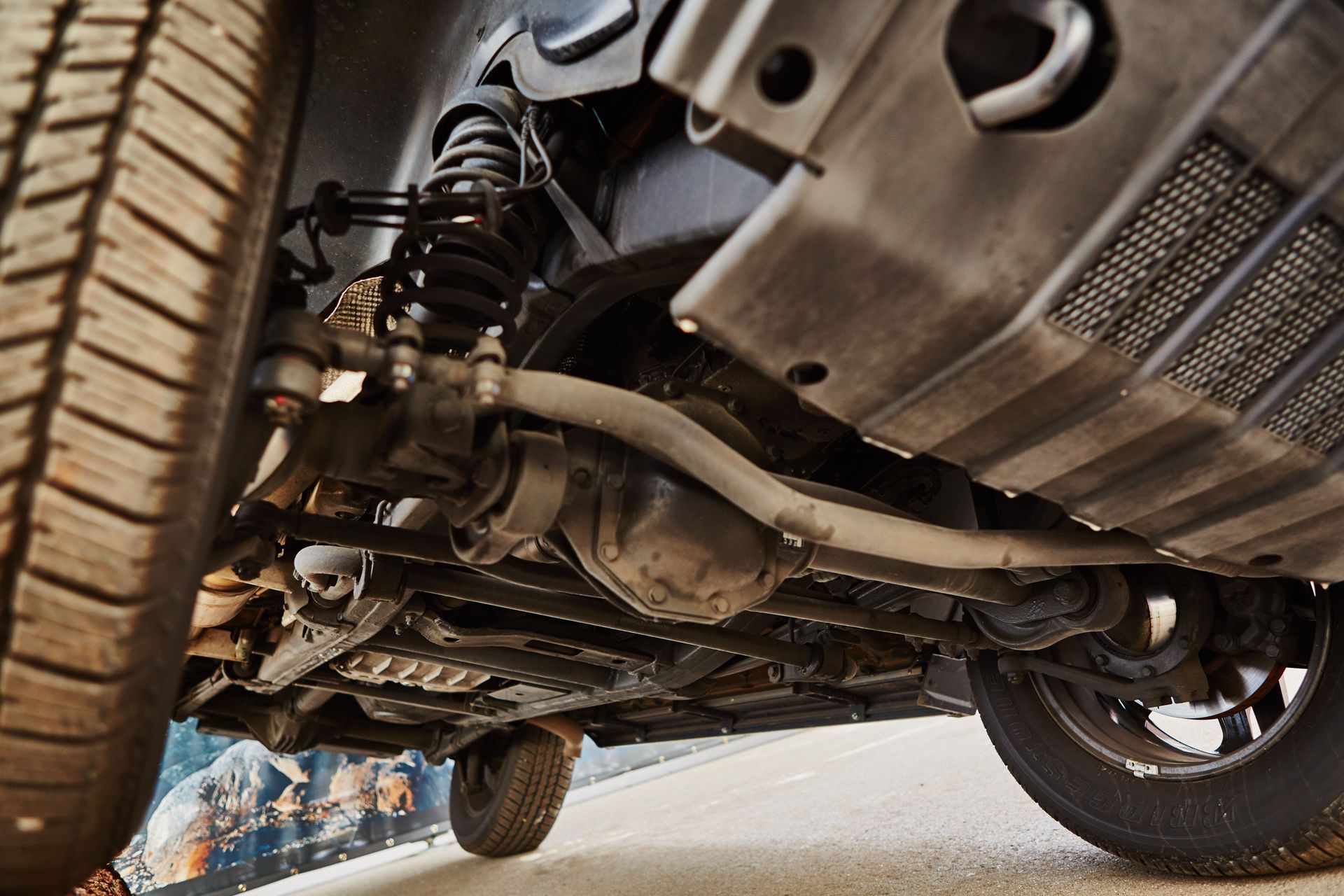
4x4 axles demand specialized attention due to their role in off-road and challenging terrains. The dynamics involve additional stresses compared to standard vehicle axles. Understanding these unique dynamics can guide appropriate repair techniques to enhance axle performance. Reinforcing components can aid in managing the increased load and impacts. Proper alignment and robust components are critical for maintaining the vehicle's performance off-road.
Maintaining and repairing axles according to their size and type is crucial for vehicle safety and performance. Different axle sizes present unique challenges, and employing the right repair strategies can avoid costly repairs. Understanding the impact of axle size on vehicle performance helps in making informed decisions about vehicle use. Keeping up with technological advancements allows for improved repair practices. By following these tips, vehicle owners and technicians can ensure axles function optimally under various conditions. If you're seeking professional axle service repair for your vehicle, make sure you contact Transmission Masters today for expert assistance.