August 19, 2026
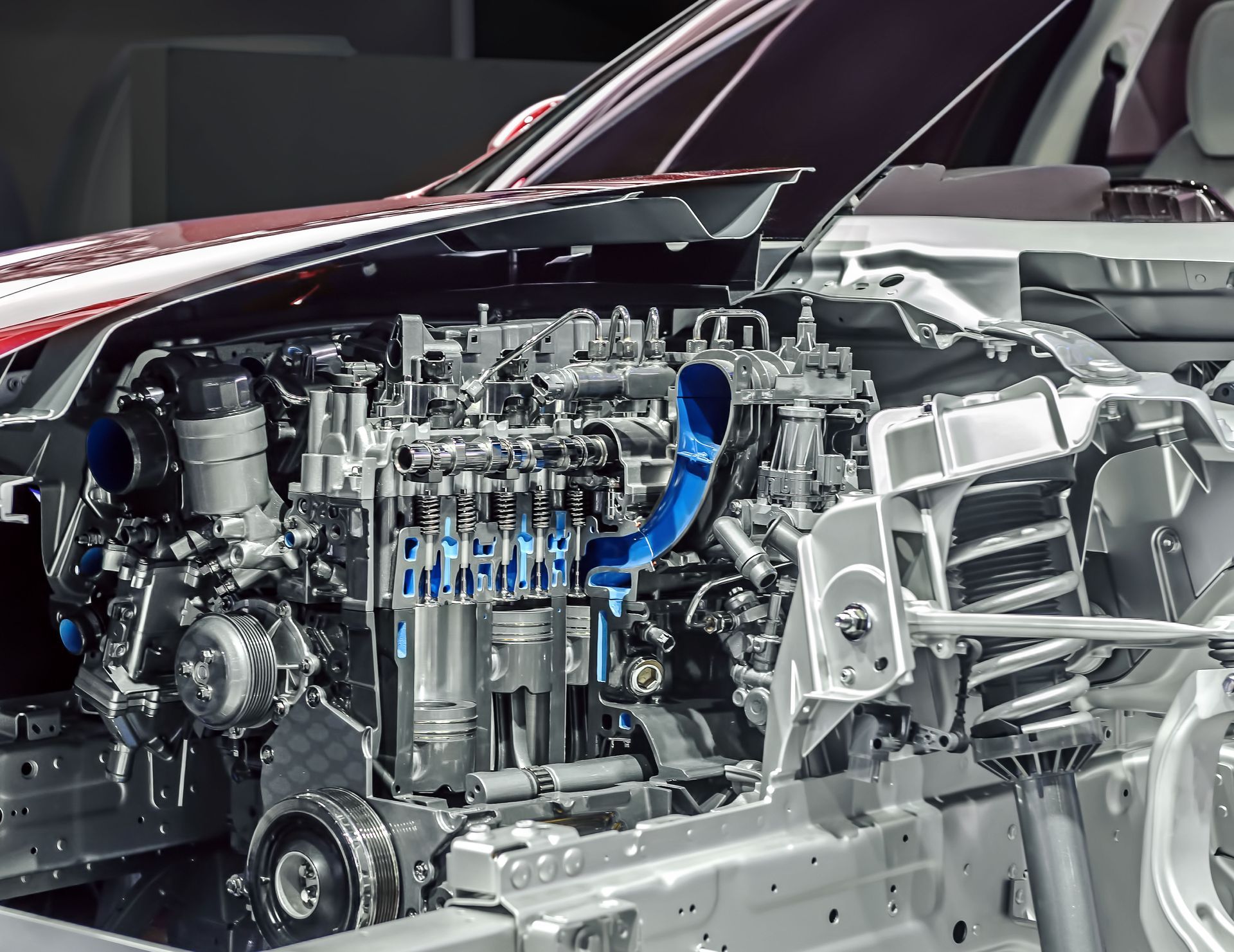
The transmission is a crucial component of any vehicle, responsible for transferring power from the engine to the wheels and helping the vehicle operate efficiently at different speeds. Proper maintenance and timely transmission services can prolong the life of this complex system, reduce overall vehicle expenses, and contribute to a smoother driving experience. Understanding how a transmission works, recognizing warning signs, and following an appropriate maintenance schedule can help drivers avoid preventable problems. Whether a vehicle uses a manual, automatic, continuously variable, or another transmission design, consistent care is an important part of responsible vehicle ownership.
Understanding the Basics of Transmission Systems
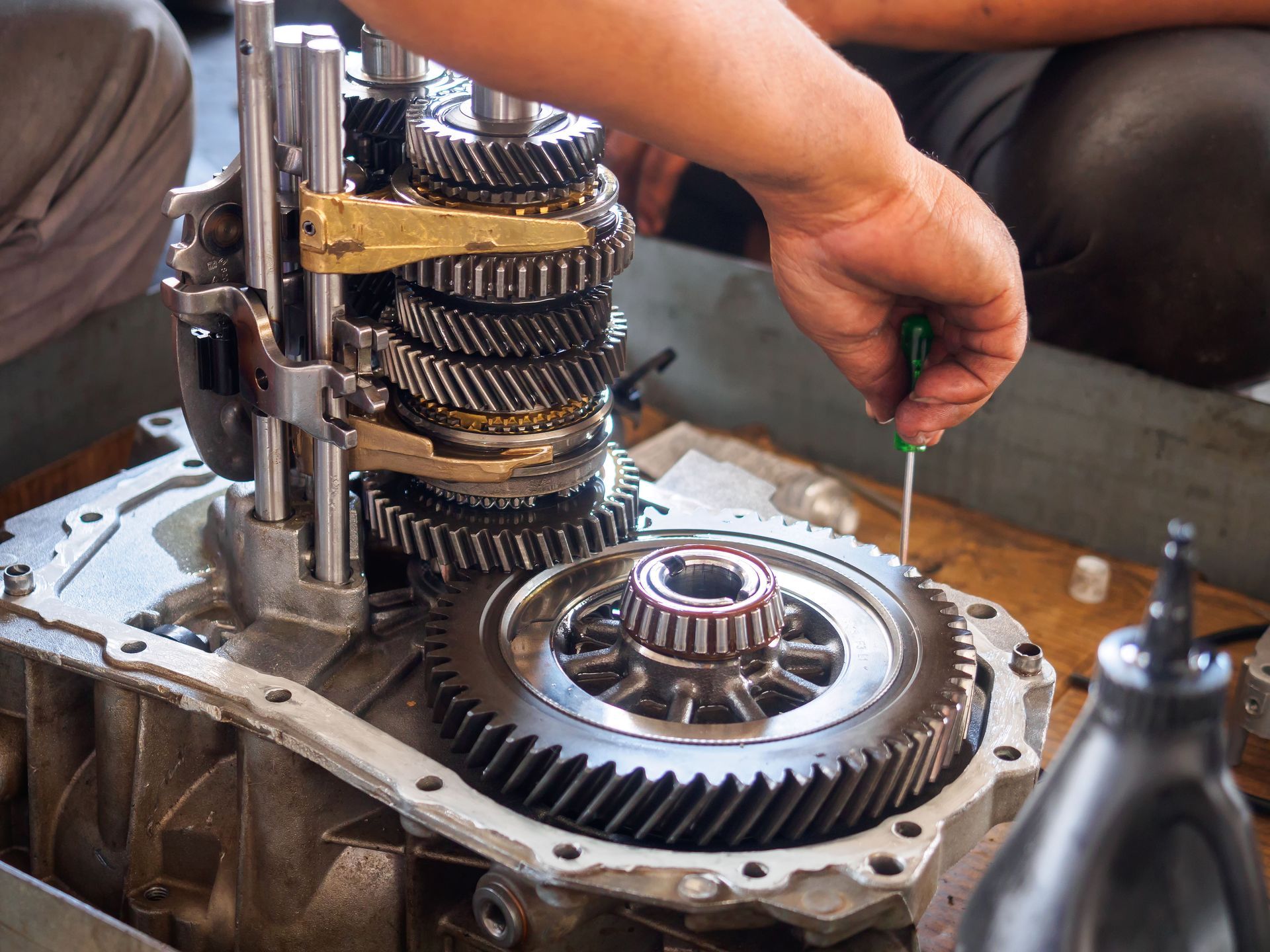
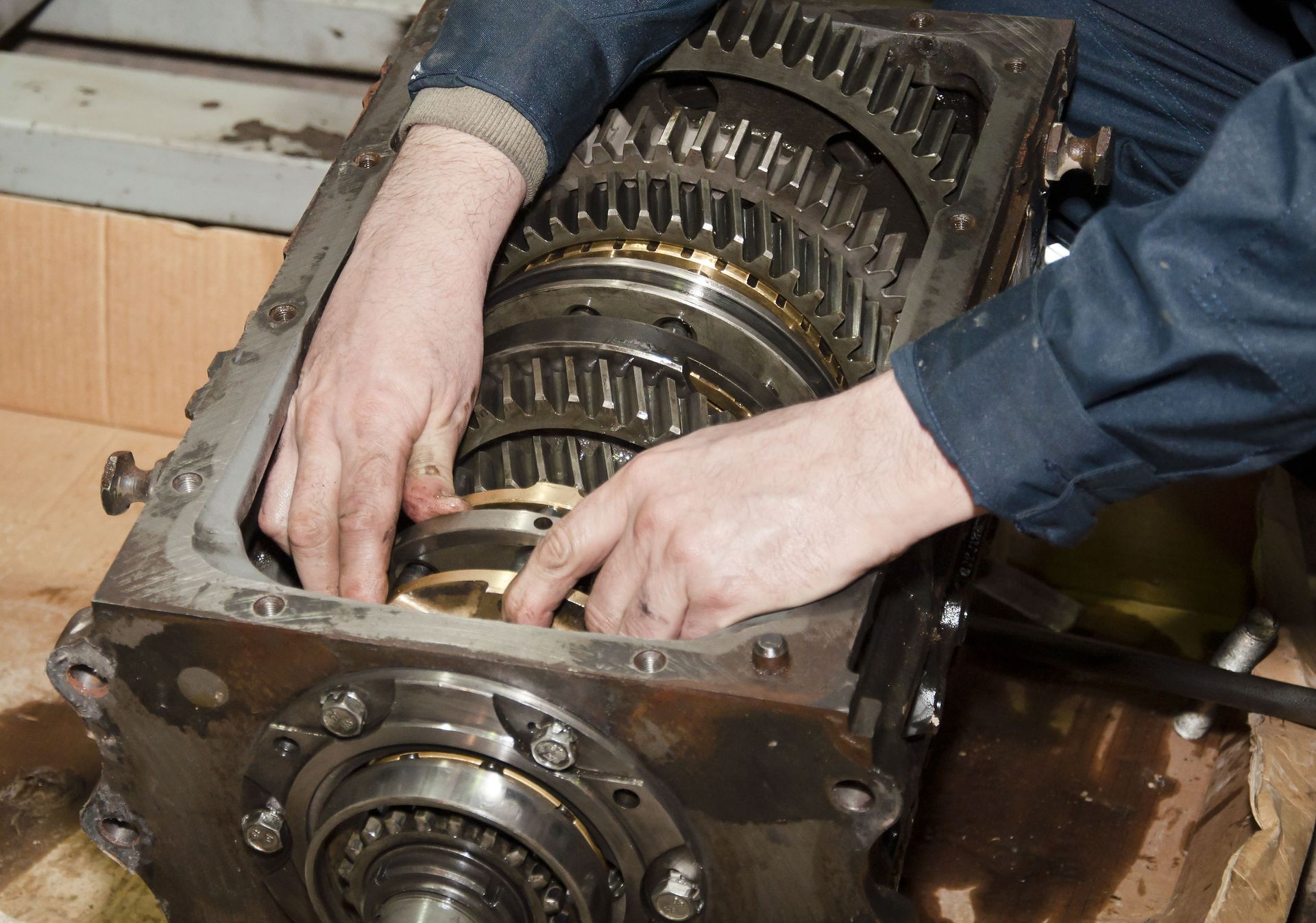
Transmission systems are commonly divided into manual and automatic designs. Manual transmissions require drivers to select gears using a clutch pedal and gear lever, providing direct control over gear changes. Automatic transmissions perform these shifts without driver input, making them convenient for commuting and stop-and-go traffic. Each design has different components and maintenance requirements, so drivers should understand which type is installed in their vehicle before scheduling transmission services or attempting routine maintenance.
Manual transmissions tend to have relatively straightforward mechanical designs, although components such as the clutch can wear with use. Automatic transmissions rely on more complicated hydraulic and electronic systems to manage shifting. Modern vehicles may also use continuously variable transmissions, dual-clutch transmissions, or specialized systems designed for hybrid powertrains. Each technology handles power differently, which is why maintenance procedures and recommended fluids can vary considerably from one vehicle to another.
Key Components That Keep a Transmission Operating
A transmission contains numerous components that must work together precisely. Gear sets provide the ratios needed to balance engine speed with vehicle speed, while bearings, seals, shafts, and other internal parts support reliable operation. Manual systems use a clutch to connect and disconnect engine power during gear changes. Automatic transmissions generally use a torque converter and hydraulic pressure to transfer power and control shifts.
Transmission fluid is another essential part of the system. It lubricates moving components, helps control heat, and supports hydraulic operation in many automatic transmissions. Over time, heat and normal use can cause fluid to deteriorate or become contaminated. Low, dirty, or inappropriate fluid can increase friction and interfere with performance. Routine transmission services may therefore include checking fluid condition, identifying leaks, and determining whether replacement is appropriate based on the manufacturer's specifications.
Recognizing Common Transmission Warning Signs
Drivers should pay attention to changes in the way their vehicles accelerate, shift, or respond. Grinding, whining, clunking, or other unfamiliar noises can indicate worn components or insufficient lubrication. Gear slippage is another warning sign and occurs when the transmission unexpectedly changes gears or struggles to remain in the selected gear. Delayed engagement, hesitation, and unusually harsh shifts can also signal a developing problem.
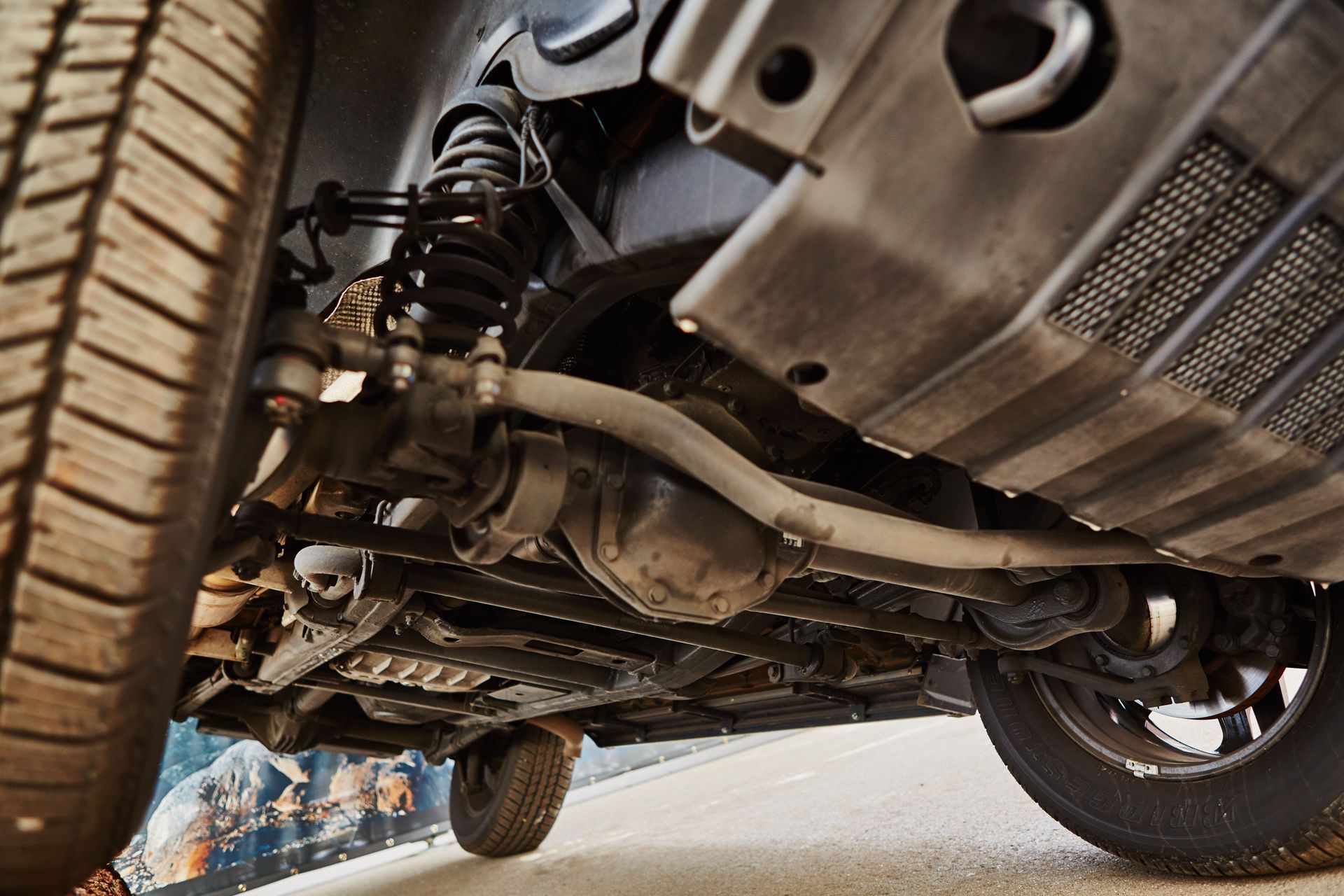
Fluid leaks deserve prompt attention because operating with an insufficient fluid level can contribute to overheating and internal damage. Drivers may notice fluid beneath a parked vehicle or detect an unusual burning odor after driving. Dashboard warning lights can provide additional clues, particularly in newer vehicles with electronic monitoring systems. Scheduling transmission services when these symptoms first appear can make it easier to identify smaller problems before additional components are affected.
The Importance of Regular Transmission Maintenance
Regular maintenance helps reduce unnecessary wear and supports dependable operation over the life of a vehicle. Lubricants, filters, seals, and mechanical components can gradually deteriorate through normal driving. Periodic inspections give technicians an opportunity to assess these parts and identify concerns that may not yet be noticeable from behind the wheel. Preventive maintenance can be especially valuable for vehicles that regularly tow trailers, carry heavy loads, travel in extreme temperatures, or encounter frequent stop-and-go traffic.
According to a 2025 report by Fortune Business Insights, internal transmission wear-and-tear components like clutch plates require full periodic physical replacement typically every 40,000 to 100,000 miles depending on driving habits, creating a massive and steady global demand for replacement parts across both passenger and commercial vehicle fleets. Individual maintenance requirements can still vary based on vehicle design, component condition, operating environment, and manufacturer recommendations. Following the appropriate schedule and keeping records of completed transmission services can help owners develop a consistent approach instead of waiting until a serious mechanical problem occurs.
Supporting Vehicle Safety and Performance
A properly functioning transmission contributes directly to predictable vehicle performance. Smooth gear changes allow the engine to deliver power effectively during acceleration, highway travel, climbing, and other driving conditions. When shifting becomes delayed or inconsistent, the vehicle may respond differently than expected. Addressing transmission concerns promptly can therefore support both driving comfort and overall reliability.
Transmission condition can also influence efficiency. Excessive friction, deteriorated fluid, or mechanical problems may cause the engine and transmission to work harder to transfer power. Maintaining the system helps minimize unnecessary resistance while preserving appropriate shifting behavior. Drivers should avoid assuming that every change in fuel economy is transmission-related, but a sudden decline accompanied by shifting problems can justify a professional inspection.
Preventing Costly Transmission Repairs
Minor transmission problems can become substantially more complicated when ignored. A small leak, for example, may gradually lower the fluid level enough to increase heat and friction. Continued operation under those conditions can damage internal components that are much more expensive to repair. Routine transmission services provide opportunities to detect leaks, worn seals, contaminated fluid, and other concerns before they contribute to broader system damage.
Preventive care does not guarantee that a transmission will never require major repairs, since components eventually wear and unexpected failures can occur. However, staying current with recommended maintenance can reduce avoidable stress on the system. Drivers should also keep detailed maintenance records showing inspections, fluid changes, filter replacements, and repairs. These records make it easier to understand the vehicle's service history and may also support resale value by demonstrating consistent care.
Transmission Fluid Changes and Filter Replacement
Fluid replacement is one of the most familiar transmission maintenance procedures. Depending on the vehicle, a technician may drain a portion of the existing fluid and refill the system with fresh fluid that meets the manufacturer's specifications. Some situations may call for a more extensive fluid exchange. The correct procedure depends on transmission design, vehicle condition, mileage, and manufacturer recommendations, so owners should avoid assuming that every vehicle requires the same treatment.
Some transmissions also contain serviceable filters designed to capture particles and contaminants circulating in the fluid. A clogged filter can interfere with fluid flow and may affect lubrication or hydraulic pressure. When applicable, replacing the filter at the recommended interval helps maintain cleaner fluid circulation. Because modern transmission designs vary considerably, professional transmission services should account for the exact specifications of the vehicle rather than relying on a universal maintenance schedule.
Keeping organized service records makes it easier to track fluid changes, inspections, repairs, and other transmission services over time. Owners can use these records alongside the vehicle's maintenance schedule to anticipate upcoming service needs and discuss concerns with technicians. Paying attention to warning signs between scheduled appointments is equally important, since unusual shifting, leaks, noises, or odors may indicate that the vehicle needs attention sooner. A consistent combination of preventive care, accurate diagnosis, and timely repairs can help preserve transmission reliability, support vehicle performance, and reduce the likelihood of avoidable mechanical problems. Contact our team at Transmission Masters today and learn more about our transmission services.